
The Evolution of Karate Uniforms: From Tradition to Performance
In the world of martial arts, the karate uniform, or Gi, is more than just clothing; it represents discipline, heritage, and cultural significance. This article delves into the rich history of karate attire, tracing its roots from traditional Japanese clothing to the modern-day gear used by practitioners worldwide. We explore the various components that make up the uniform, the materials used, and how different karate styles have contributed to its evolution. Additionally, we provide a buyer's guide to help enthusiasts choose the perfect karate clothes name for their needs.
- The Historical Background of Karate Uniforms As we look towards 2026, the karate uniform industry is embracing sustainable practices and technological advancements. Eco-friendly materials such as organic cotton and recycled polyester are becoming more prevalent, catering to the growing demand for environmentally conscious athletic wear. Additionally, new technologies like moisture-wicking fabrics and integrated padding systems enhance performance and comfort. This blend of tradition and innovation ensures that karate attire continues to evolve while preserving its rich heritage. Explore the Origins and Diversity of Martial Arts Uniforms
- - Evolution of traditional Japanese clothing in martial arts
- - Early forms of karate attire and its cultural significance
The Historical Background of Karate Uniforms

- Evolution of traditional Japanese clothing in martial arts
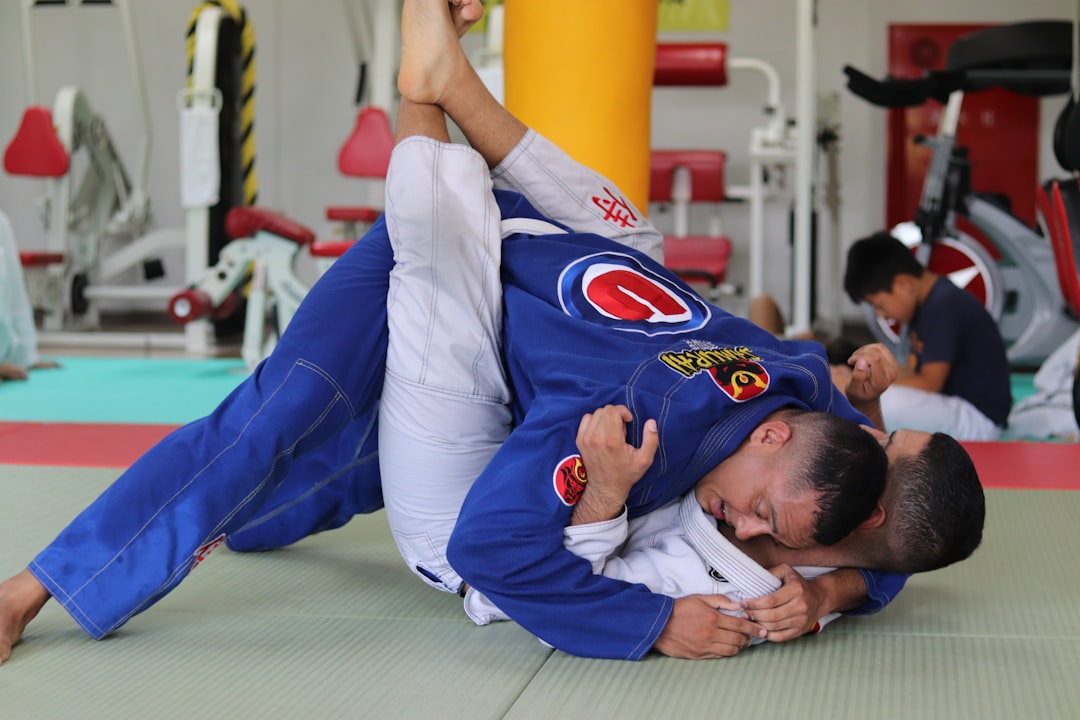
- Early forms of karate attire and its cultural significance